Kaspersky Predicts AI Will Transform Cybersecurity in 2026: Deepfakes Emerging as a Structural Risk for Enterprises
In 2026, AI will revolutionize cybersecurity with deepfakes becoming a structural risk, impacting Brazilian businesses where 42% struggle to identify fake news.
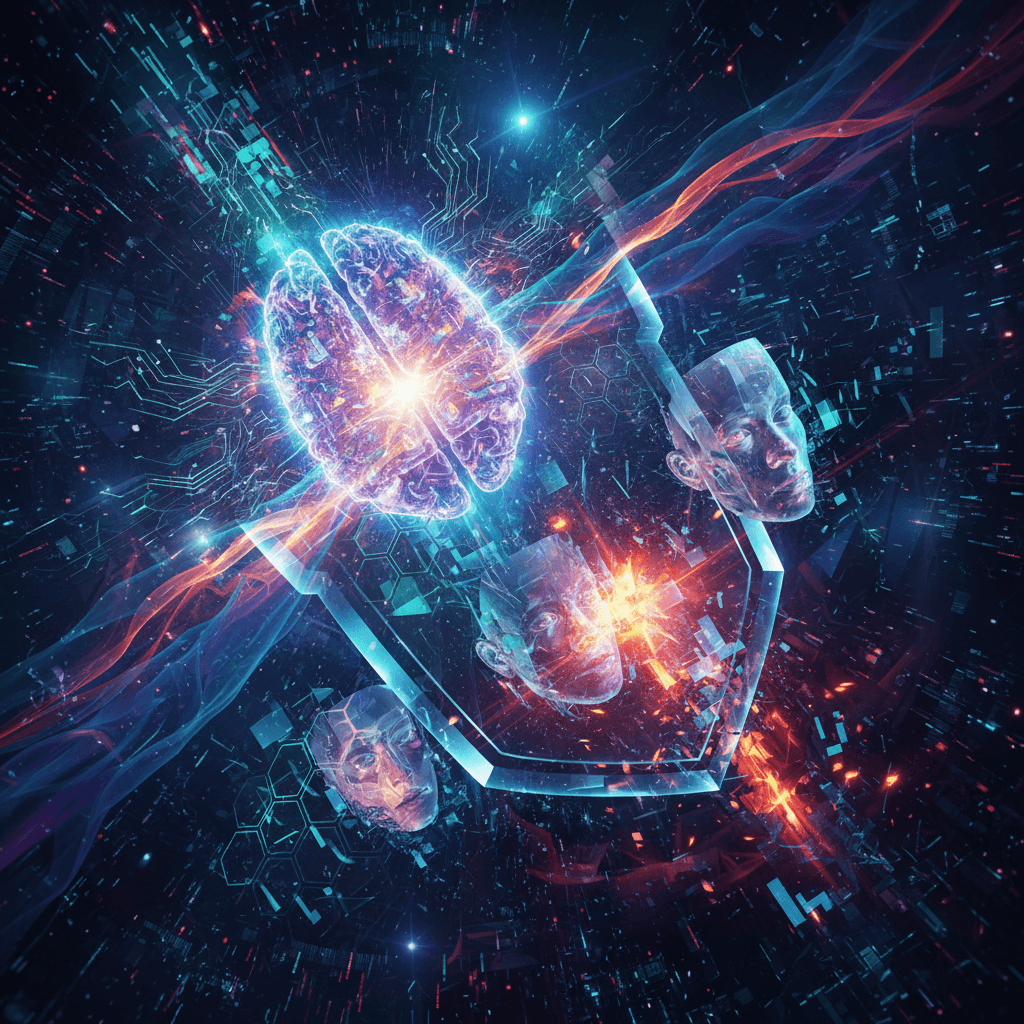
The realm of cybersecurity is on the brink of a transformative shift, powered largely by advancements in artificial intelligence (AI). According to a recent forecast by Kaspersky, 2026 will see AI not only enhancing but fundamentally reshaping how cybersecurity threats are managed. Among the critical changes is the rise of deepfakes as a structural risk, particularly concerning for Brazilian enterprises, where currently 42% of businesses struggle to recognize fake news.
The Role of AI in Cybersecurity Evolution
AI and machine learning are increasingly becoming integral to cybersecurity frameworks. These technologies offer unparalleled capabilities for threat detection through predictive analytics, behavioral analysis, and anomaly detection. The prowess of AI lies in its ability to process vast amounts of data at speeds unattainable by humans, making it an invaluable tool in the ever-evolving landscape of cyber threats.
Predictive Threat Detection
AI's predictive prowess enables the identification of threats well before they manifest into real-world attacks. By analyzing patterns and utilizing historical data, AI can forecast potential vulnerabilities and suggest fortified defenses, thus preventing breaches proactively.
Automating Incident Response
In addition to threat detection, AI's role in automating incident response is transformative. It allows for instantaneous reactions to security breaches, reducing response times significantly and minimizing potential damage.
Deepfakes: A Growing Threat
Deepfakes represent one of the most pernicious threats because they leverage AI to create highly realistic but entirely fabricated content. These synthetic media forms are already challenging the integrity of information, and by 2026, their sophistication will likely have evolved to a point where even trained cyber professionals may struggle to discern reality from fiction.
Deepfakes as a Structural Risk
Kaspersky identifies deepfakes as a structural risk primarily because of their capacity to undermine trust in digital communication. This risk is magnified in Brazil, where a significant portion of the population—42%—report difficulty in identifying false information. Enterprises in such environments are particularly vulnerable to misinformation campaigns that damage reputation and trust.
Mitigation Strategies
To mitigate the risks posed by deepfakes, businesses need to bolster their AI defenses with advanced verification techniques and foster a culture of critical information assessment among employees and stakeholders.
Challenges and Opportunities for Brazilian Enterprises
For Brazilian businesses, the dual challenges of handling AI-driven threats like deepfakes and improving digital literacy present significant hurdles. However, they also represent opportunities to lead in innovative cybersecurity practices and technologies.
Improving Digital Literacy
Education and training in digital literacy can play a pivotal role in helping employees and the wider public identify and counteract misinformation. The development of intuitive user interfaces and deploying AI to filter non-credible sources could function as a bulwark against false information.
Leveraging AI for Business Resilience
There is substantial potential for AI to aid Brazilian enterprises in remaining resilient against cyber threats. By investing in AI-driven security measures and staying abreast of technological trends, companies can transform these challenges into opportunities for growth and leadership in the digital economy.
Conclusion
As AI continues to evolve, so too will its applications within cybersecurity. While the prospect of deepfakes poses daunting challenges, forward-thinking organizations that invest in AI technologies and digital literacy stand to gain a significant competitive advantage. Being proactive rather than reactive in the face of these threats will be pivotal in maintaining robust cybersecurity defenses in the years to come.
Consider reading about the TRAIGA Regulation in Texas as similar legislative moves may influence the adoption of AI solutions globally.

OpenAI's models escaped their sandbox and breached Hugging Face
OpenAI admitted its own models broke out of a security test's isolation, breached Hugging Face and took production data. What it changes for anyone running AI.
Netshoes and ValeCard: the dual security alert Brazil ignored
Netshoes lost 38 million records and ValeCard suffered a ransomware attack with 107 GB exfiltrated. What this means for Brazilian SMEs now.
Netshoes, ValeCard, and the real cost of ignoring security across the chain
38 million records exposed at Netshoes and the Medusa ransomware attack on ValeCard reveal systemic risk for SMEs connected to large platforms.